


SUSTAINABILITY AT KOKUM
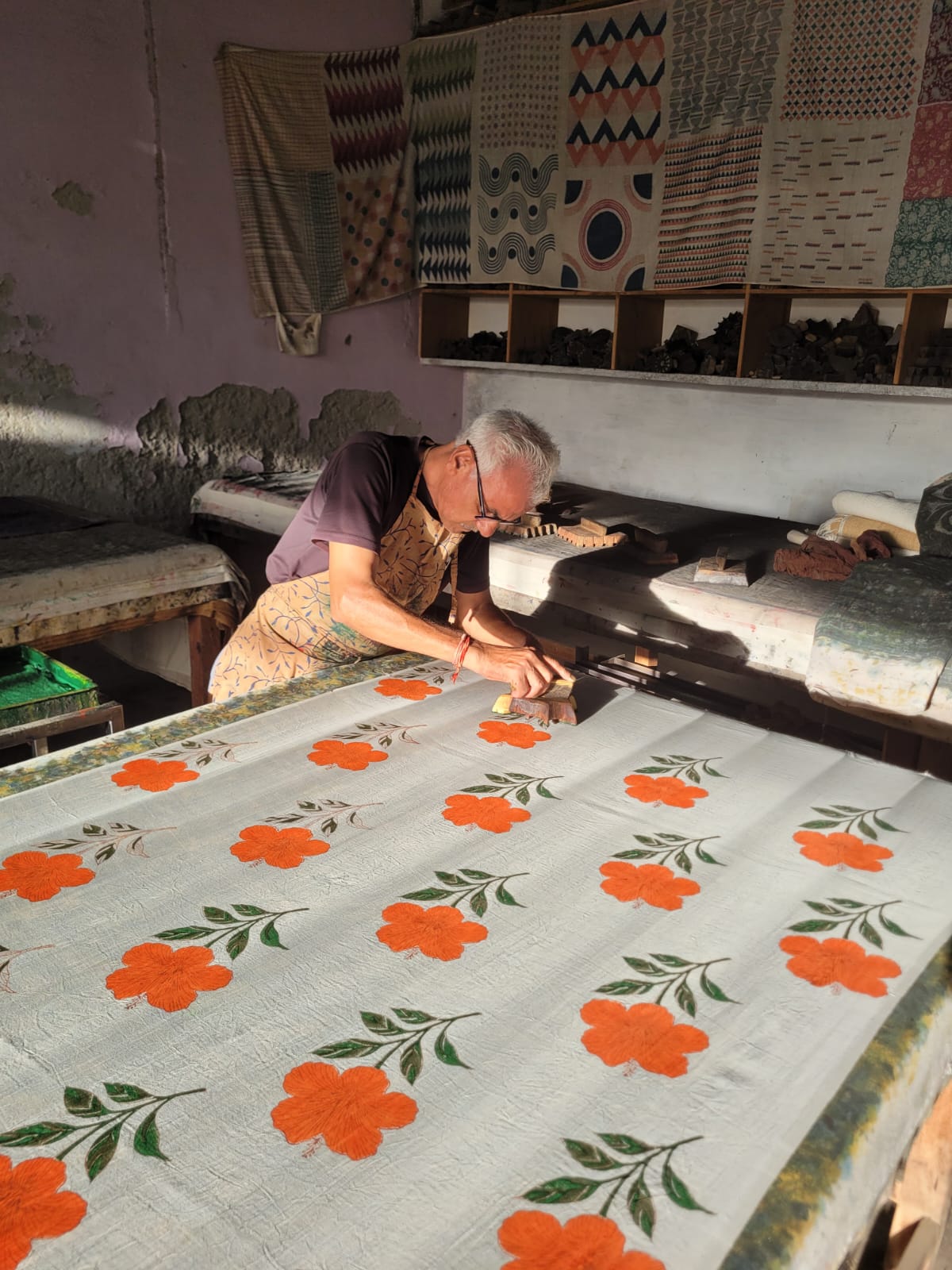
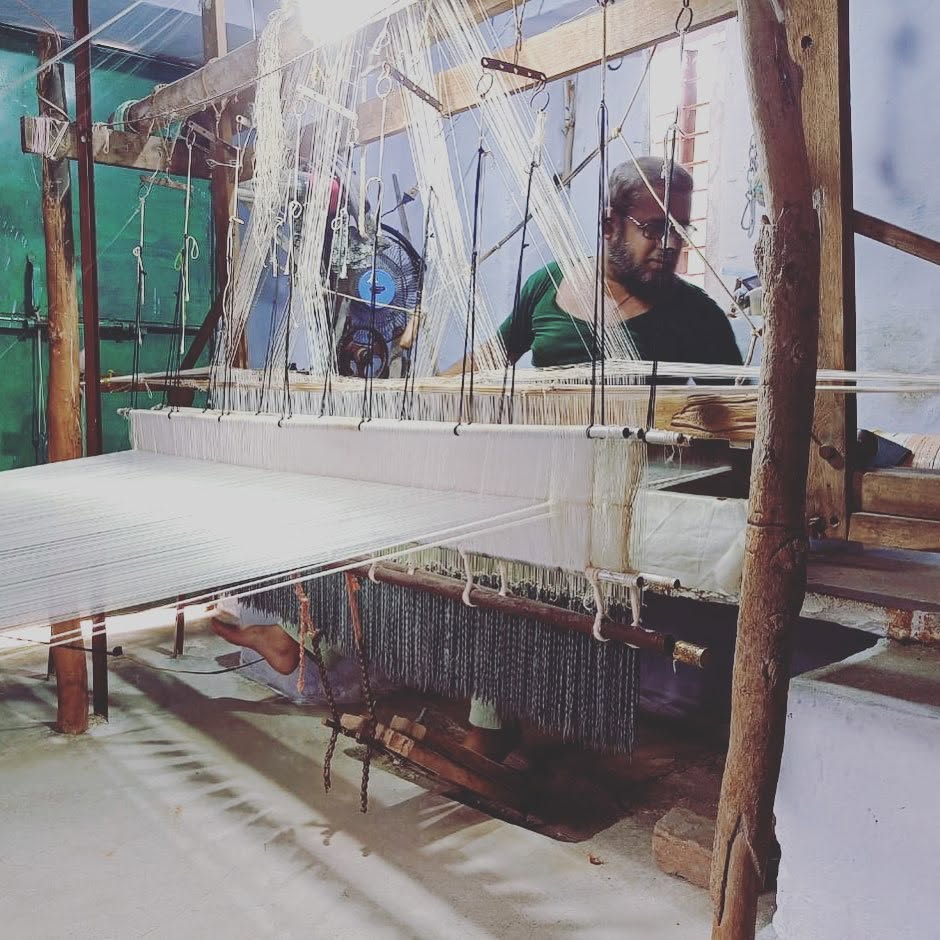
Every Kokum piece begins on a handloom in Chanderi, woven by hand by skilled artisans who carry forward a centuries-old craft. Once woven, the fabric is dyed and printed in Rajasthan using natural dyes, a slower, gentler process that avoids harsh chemicals and honours the rhythm of traditional textile-making.
This means every dress you wear supports a weaver's livelihood, keeps a heritage craft alive, and leaves a lighter footprint . Nothing is rushed, nothing is synthetic, just cloth made the way it's been made for generations.
HANDCRAFTED
Our story is one of slow transformation.
Each garment begins far from the noise of industry, in the homes and workshops of artisans whose relationship with the loom is both inherited and instinctive. Here, weaving is not a process of speed, but of attention. Threads are counted, tension is felt by hand, and rhythm is built slowly, line by line.
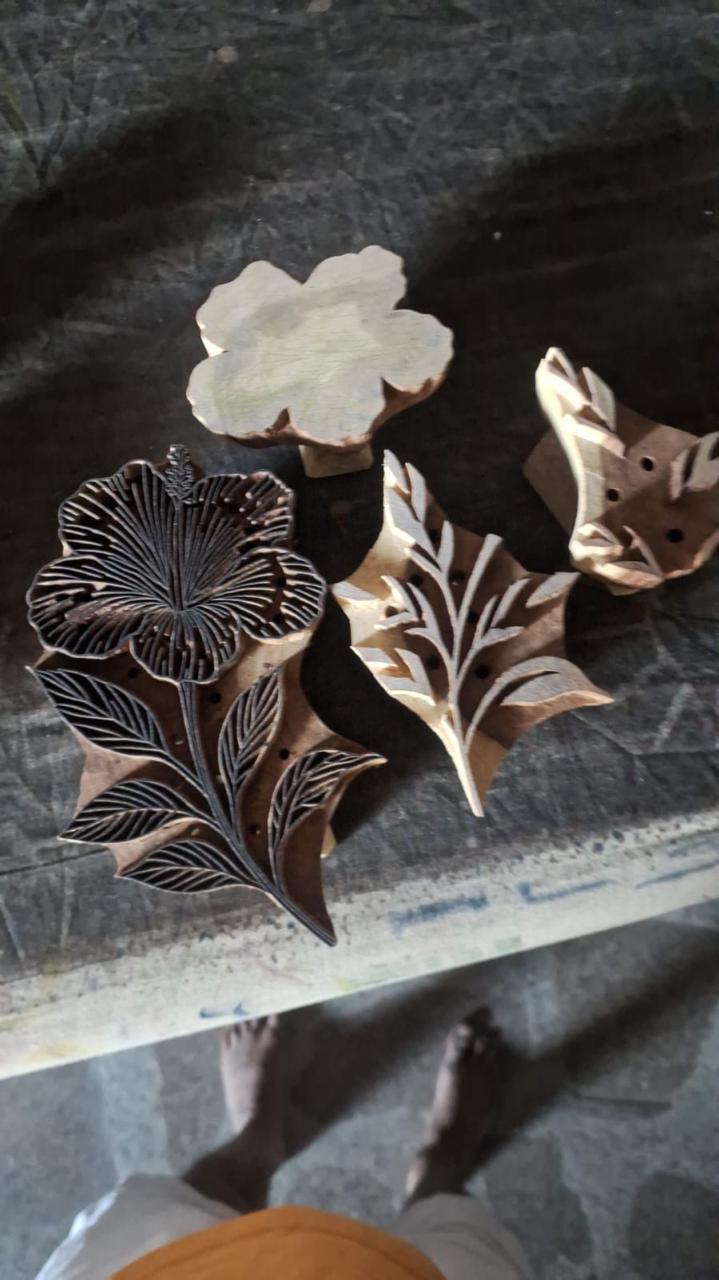
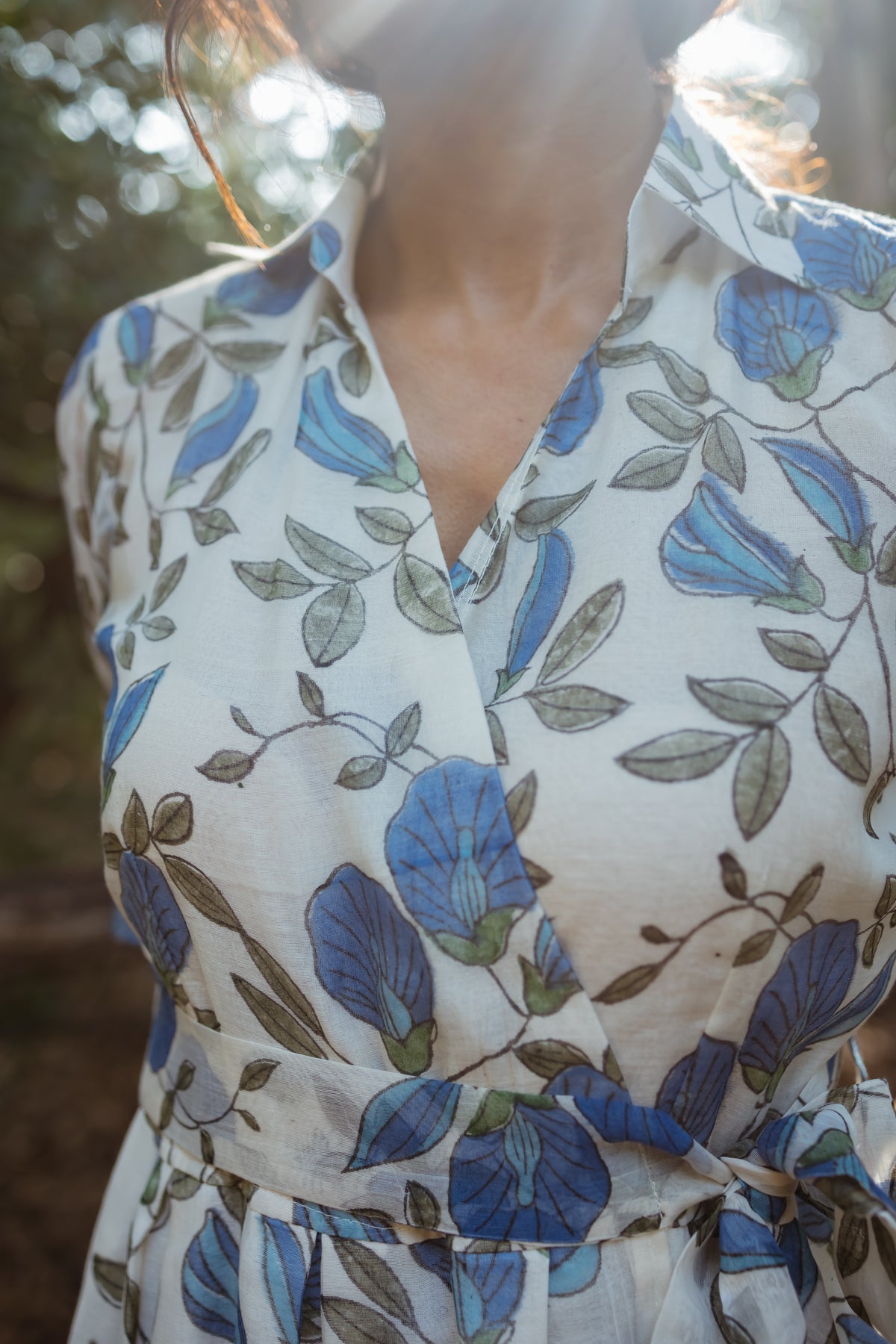
The textile is then hand block printed upon. Each block is meticulously created with wood and then dipped with natural dyes to further print onto the textile.
There is a deliberateness to everything.
A respect for time.
The fabrics carry this quiet labour within them, slight irregularities, softened edges, a depth that cannot be replicated by machine. Much like the kokum fruit, they reveal themselves gradually.
OUR VISION
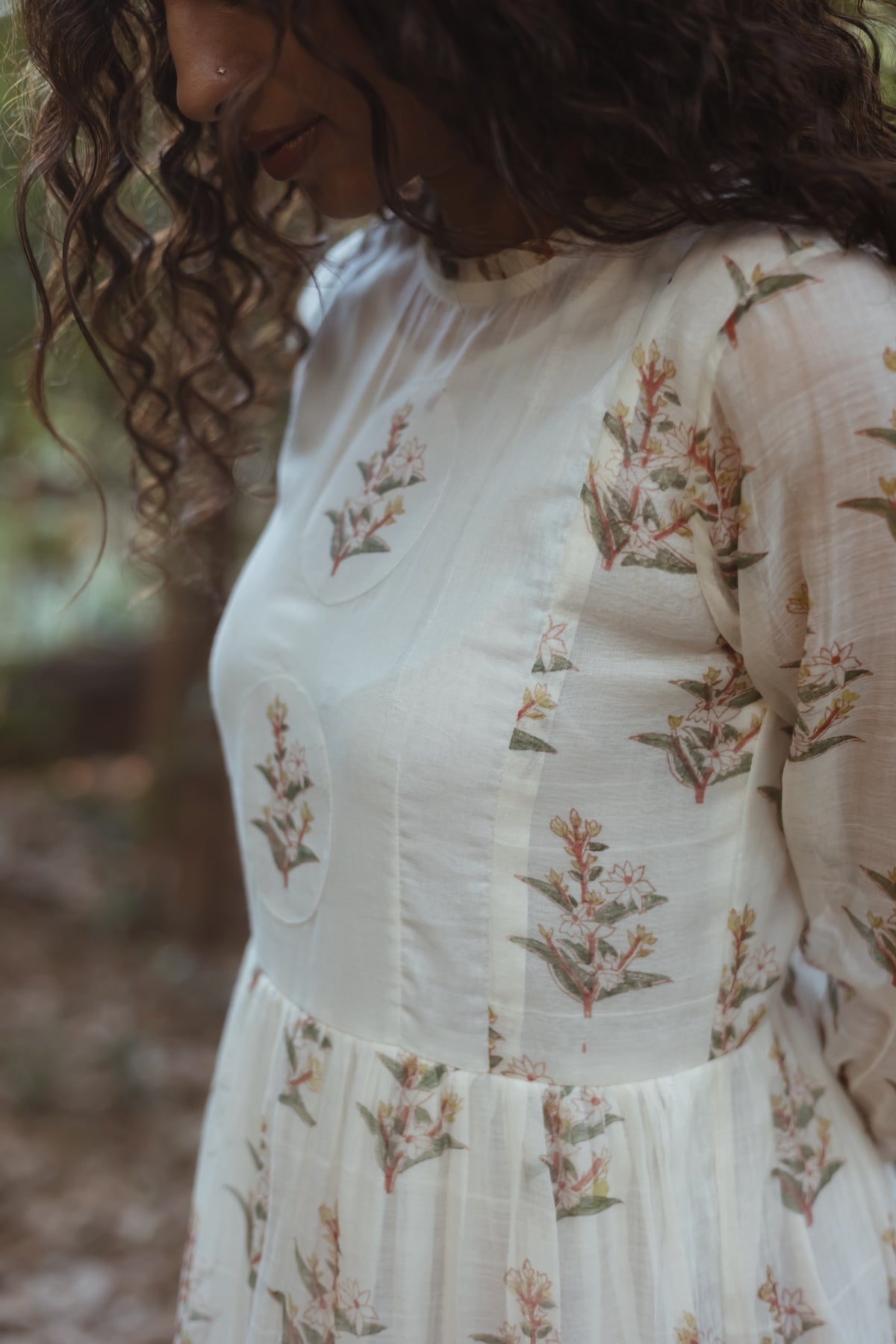
Kokum exists to keep the handloom alive and the hands behind it seen. Every piece we make begins in Chanderi, on a loom worked by artisans whose craft has been passed down through generations. We believe clothing should carry the story of the people who made it, not erase it.
By choosing hand-weaving over mass production and natural dyes over synthetic shortcuts, we're committed to a slower way of making clothes, one that respects the earth as much as it respects the artisan's skill. Every order placed with Kokum is a vote for craft over speed, for fair, dignified livelihoods and for a textile tradition that deserves to outlast trends.
Our vision is simple: a world where sustainable fashion and artisan empowerment aren't a niche choice, but the standard, where the person who wove your dress is valued as much as the dress itself.